
How To Utilize Tracts In Your Evangelism Strategy
How to Use This Lesson
This lesson is designed to be completed alongside the teaching video, but you may choose how you engage with it. It is self-paced—you can pause to reflect or take notes at anytime. Here are the three ways to participate in this lesson:
You can:
- Watch and read. Follow along with the video walkthrough as the instructor highlights and explains the curriculum, then scroll back through the written lesson to review or take notes.
- Read first, then watch. Read the lesson at your own pace, then watch the video for clarification, emphasis, and practical application.
- Pause and reflect as prompted. At certain points, you will be invited to pause the video for up to five minutes to reflect or write brief responses. These pauses are intentional and especially useful in group settings.
Let’s Begin!
Why You Should Add Tracts To Your Evangelism TookKit
I have become all things to all people, that by all means I might save some.
1 Corinthians 9:22-23
What Paul is communicating in this passage is his willingness to do whatever it takes—using whatever means are appropriate—in order to reach people with the Gospel. Becoming “all things to all people” did not mean compromising truth; it meant being thoughtful, adaptable, and strategic in the methods he employed.
Tracts can be a valuable evangelism tool when used strategically. They are not a replacement for personal witness—they are tools that support and extend it. When used wisely, they function as portable, repeatable Gospel messengers that can reinforce a conversation, introduce truth, or continue speaking long after you have left. One of the greatest benefits of tracts is that just by carrying them around it reminds us believers to remain soul conscious in a distracted world.
The key to utilizing tracts effectively is understanding where they fit within your overall evangelism strategy.
1. As Conversation Starters
A tract can open a dialogue in a natural and non-threatening way. Rather than forcing a full presentation immediately, it provides a simple entry point. You might say, “This explains something that changed my life—would you be open to taking a look?” The tract becomes a bridge into discussion rather than a substitute for it.
2. As Conversation Reinforcement
When you have already shared verbally, a tract serves as reinforcement. It allows the listener to revisit the core message later, reflect privately, and process the Gospel at their own pace. Many people need time to think. A tract extends the moment beyond the conversation.
3. As Follow-Up Material
If someone shows interest but you cannot continue the discussion, a tract provides clarity and structure. It ensures that the essential elements of the Gospel are presented accurately and concisely.
4. As Seed-Sowing Tools
Not every interaction will lead to immediate dialogue. Sometimes a tract simply plants a seed. In these moments, you are trusting that God can use printed truth in ways you may never see. The power is not in the paper—it is in the message it carries.
5. As Strategic Supplements to Prayer
Tracts should always be preceded and accompanied by prayer. Ask God to prepare the heart of the person receiving it. Pray that the words will linger, convict, and clarify. When prayer and proclamation work together, even a small printed page can become spiritually significant.
Principles for Effective Use
- Be intentional, not mechanical. Avoid treating tracts like distribution quotas. Use discernment.
- Be relational whenever possible. Personal connection increases receptivity.
- Choose clarity over complexity. Simple, Gospel-centered tracts are most effective.
- Leave room for follow-up. Include contact information or an invitation to continue the conversation.
Tracts are tools within a larger strategy. They do not replace compassion, conversation, or courage—but they can support all three.
In your evangelism strategy, think of tracts as extensions of your voice. You may hand them out in seconds, but God can use them for years.Used prayerfully and strategically, tract evangelism becomes a powerful complement to personal witness.
Reflection Exercise—Pause Video
In which of the five roles (conversation starter, reinforcement, follow-up, seed-sowing, or supplement to prayer) could you most intentionally begin using tracts this week?
Do you currently carry tracts as part of your evangelism toolkit, or would doing so increase your awareness of Gospel opportunities?
Are you using tracts strategically and prayerfully, or have you viewed them as either unnecessary or merely mechanical tools?
Resume Video
Tips, Ideas And Resources
Like every tool, gospel tracts can be used effectively or ineffectively depending on the tracts we chose, and how we use them. Let’s start simple tips on how to use them:
- Choose tracts that are clear and complete. Select literature that presents the full Gospel message in a simple and understandable way. The message should be easy to follow and firmly rooted in Scripture. Remember, a tract is not a book—most people will only glance at it briefly. Clarity matters far more than design or length.
- Use quality materials. Well-designed and professionally printed tracts are more likely to be kept and read. Presentation communicates value. While many publishers offer excellent options, the key is choosing literature that reflects care and credibility.
- Keep tracts readily available. Make it a habit to carry a few with you. Keep some in your vehicle, bag, or home so you are prepared whenever an opportunity arises. Readiness often determines whether you act or hesitate.
- Pray over the tracts you distribute. Every tract should be covered in prayer. Ask God to prepare the heart of the person who will receive it and to use His Word powerfully. Trust that He is able to work beyond what you can see.
- Offer tracts with kindness and humility. Your tone and attitude matter as much as the message itself. A smile, respect, and genuine care go a long way. Approach people graciously, not forcefully. How you present it may influence whether they read it.
- Be wise about timing. Look for natural openings rather than forcing moments. Every situation is different. Sensitivity and discernment help ensure the tract is received in the right spirit.
- Keep it personal, not mechanical. Do not treat tract distribution like handing out advertisements. This is about people, not numbers. If appropriate, briefly share how the Gospel has impacted your own life. Your testimony adds weight to the printed message.
- Do not be discouraged by rejection. Not everyone will accept or read what you offer. Remain gracious and keep the relationship intact when possible. A polite and respectful response today may open a door tomorrow.
- Follow up whenever possible. If you have the opportunity, ask the person what they thought after reading it. A tract can be the starting point for a deeper conversation about Christ.
- Never let a tract replace personal witness. Printed material is a tool, not a substitute. Use tracts to support and extend conversation—not to avoid it. Whenever possible, walk someone through the message and be prepared to explain the Gospel clearly.
Here are other ways tracts can be effective:
- Put your tip at restaurants in one of them
- Hand to grocer or store check out personel
- Put on tables at local post offices
- Leave on ATM machines
- Leave in doctor’s office waiting rooms
Tips On Where To Find Tracts And How To Chose Them
There are many reputable tract publishers and ministries that provide high-quality Gospel literature, and some even offer downloadable tracts you can print at no cost. While budget considerations are important, cost alone should not be the primary factor in your decision unless necessary. Many believers choose to set aside a small monthly or annual allowance specifically for evangelism materials.
More importantly, think carefully about your broader circle of influence—family, friends, coworkers, and casual contacts. Select tracts that are most likely to resonate with and be read by the people you are trying to reach. The goal is not simply distribution, but meaningful engagement with the message.
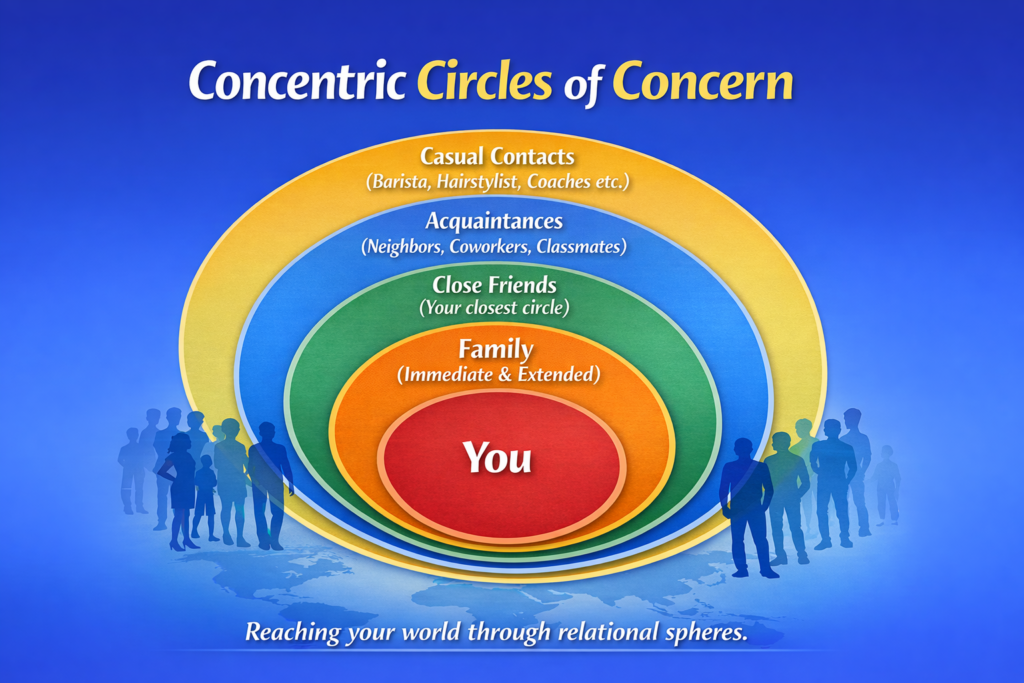
Choosing three to five tracts based on format, tone, and delivery style allows you to build a small but versatile assortment. Instead of carrying just one type, you have options you can thoughtfully select from depending on the person, your relationship with them, and the moment itself. Having a variety enables you to match the message to the context. A close friend may benefit from a different approach than a casual acquaintance.
This kind of preparation reflects intentionality. Rather than distributing the same piece to everyone, you are thinking strategically about receptivity and relevance. A well-chosen tract, offered at the right time, can significantly increase the likelihood that it will be read and thoughtfully considered. Here are links to suppliers with tracts for sale, or tracts for free you can chose from.
Remember, when we share tracts prayerfully and with a sincere heart of concern—knowing they contain the life-giving Gospel—it is never a mechanical or routine act. It is a spiritual investment with eternal implications. What may seem small in the moment carries the potential to bear fruit that only eternity in heaven will fully reveal.
Imagine the impact if every believer incorporated tracts alongside their other methods of sharing the Gospel. Countless seeds would be sown, conversations would be reinforced, and the message of Christ would travel far beyond individual encounters. God can use even a simple printed page to accomplish lasting, eternal work.
Additional Resources: Are Gospel Tracts Effective?, 7 Reasons Why All Christians Should Use Tracts, Effective Tract Evangelism
Thank You for Taking This Course
We hope you have enjoyed this course and found it beneficial in growing your confidence and readiness to share your faith.
All of our classes are offered freely as a ministry. If this training has been helpful to you, any donation — large or small — helps us continue developing resources and keeping them available to others at no cost.